


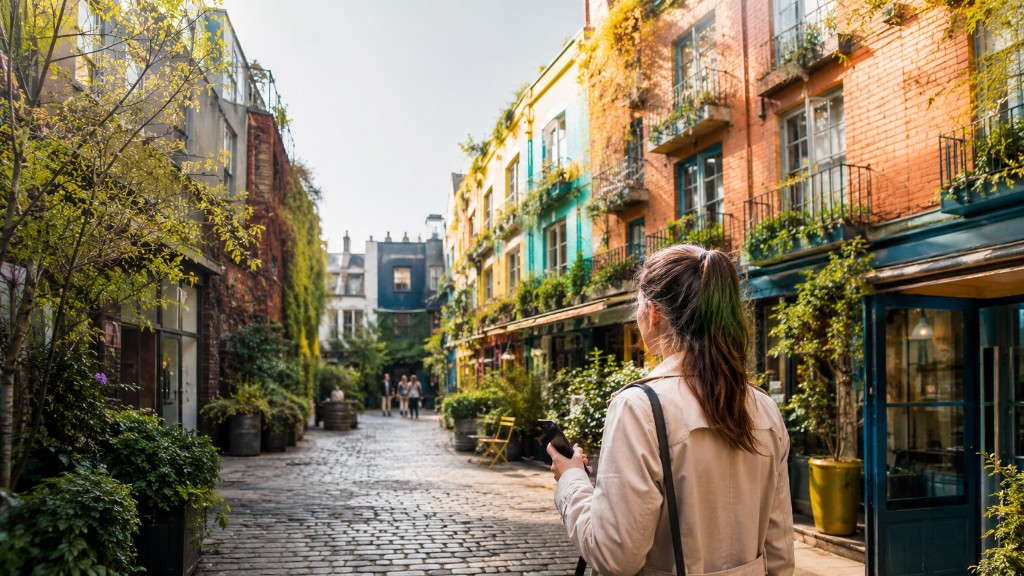
Everyone does the classic London list first: Big Ben photo, Tower Bridge shot, maybe a quick museum sprint before dinner in a crowded part of Soho. That is not wrong. It just is not the whole city.
The London locals fall in love with is quieter, weirder, and often one or two streets away from where most visitors stop walking. Hidden courtyards, late-night jazz in low-lit bars, tiny museums with unexpectedly brilliant collections, and viewpoint spots where you can actually hear yourself think.
This guide is for travelers who still want the iconic London energy, but also want those “how did we find this?” moments. If you already skimmed our 3 days in London guide, think of this as the depth layer: less checklist, more character.
Quick answer: what are the best hidden gems in London?
Some of the strongest hidden gems include Postman’s Park, Kyoto Garden in Holland Park, God’s Own Junkyard, Dennis Severs’ House, Leighton House, Wilton’s Music Hall, and sunset views from Parliament Hill. The best approach is to pair one hidden gem with one anchor neighborhood each day, instead of trying to cross the whole city for every niche stop.
Below you will find 15 spots grouped by vibe, plus practical planning tactics, a quick comparison table, and guidance for different traveler types. Many are free or low-queue — pair them with the timed tickets you pre-book using our London attraction tickets guide.
Want T-Bud to turn these places into a realistic route? Answer 2 quick questions and get a free London itinerary in seconds: Turn These Hidden Gems Into My London Itinerary.
How to use this guide
- Pick 1 to 2 hidden gems per day, then build around a nearby neighborhood.
- Group by geography: central + east, or west + north, not all four in one day.
- Leave margin for serendipity; hidden gems reward slower walking.
Planning baseline
- Book timed-entry spots early when required (some hidden venues sell out).
- Treat weather-sensitive stops as flexible blocks, not fixed appointments.
- Save one indoor alternative in each zone in case rain appears suddenly.
Secret Gardens & Green Spaces
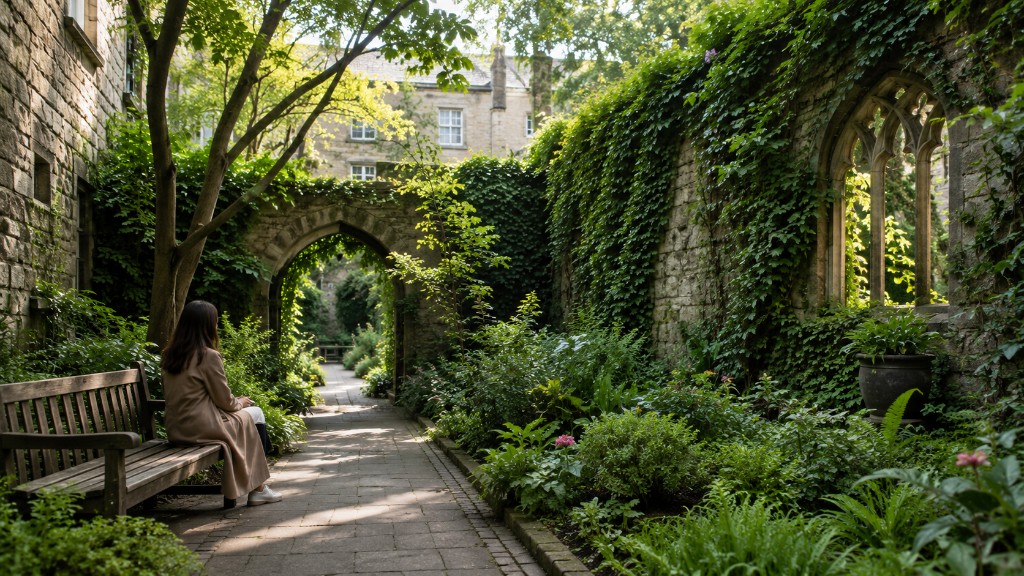
People who claim London is only busy roads and rushed commuters usually have not stepped into its quieter green pockets. Some of the city’s best resets are tiny, tucked away, and easy to miss if you only follow major attraction lists.
1. Postman’s Park (City of London)
Postman’s Park is small, calm, and emotionally memorable because of the Memorial to Heroic Self-Sacrifice plaques. It is one of those places where London suddenly feels human-scale. Spend 20 to 30 minutes here in the morning, then continue toward St Paul’s and nearby lanes before crowds build.
Practical details: Area: City of London / nearest Tube St Paul’s · Cost: free · Booking: not needed · Best for: history lovers, quiet mornings, repeat visitors. Opening times vary, so check before you go.
2. Kyoto Garden in Holland Park
Kyoto Garden is one of the strongest contrasts in central-ish London: koi ponds, small waterfalls, and a meditative atmosphere that feels worlds away from major roads. Pair it with a Notting Hill morning for an elegant west-London half day.
Practical details: Area: Holland Park / nearest Tube Holland Park · Cost: free · Booking: not needed · Best for: couples, photographers, slow travel. Opening times vary, so check current access notes before visiting.
3. St Dunstan in the East
A ruined church transformed into a public garden, St Dunstan in the East feels cinematic in every season. It is especially powerful if you enjoy photography because the stone arches, ivy, and filtered light do half the composition work for you.
Practical details: Area: Tower / Monument area · Cost: free · Booking: not needed · Best for: photographers, couples, quiet mornings. Opening times vary, so check before visiting.
Best timing: early morning for quiet, or late afternoon for softer light. Who loves this category: couples, solo travelers, photographers, and anyone who gets overstimulated by dense itineraries.
Hidden Bars & Atmospheric Night Spots
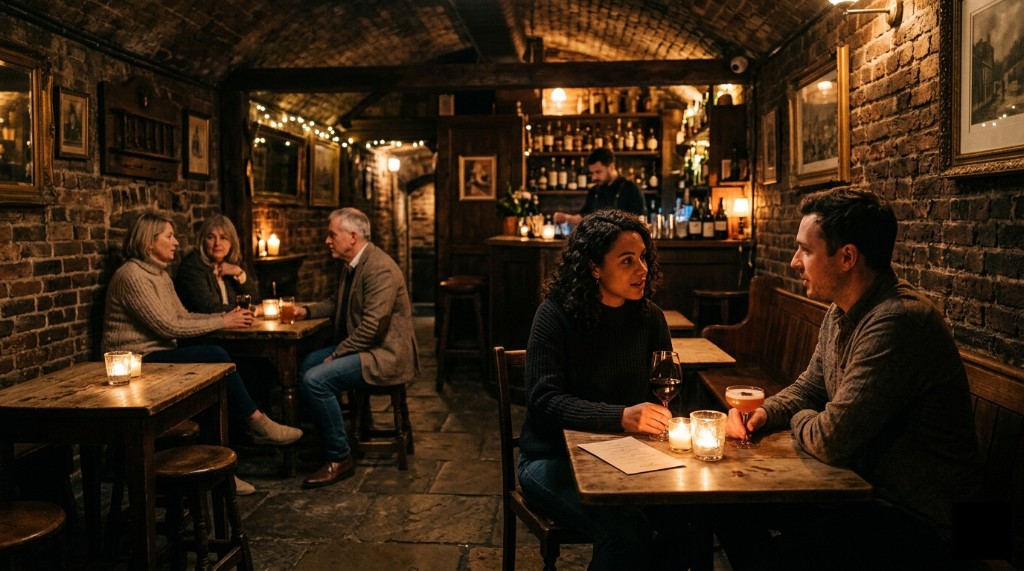
London nightlife is not only giant clubs and rooftop queues. The city is full of mood-driven evening spaces where design, music, and storytelling matter more than volume.
4. Gordon’s Wine Bar (near Embankment)
Claimed to be one of London’s oldest wine bars, Gordon’s is candlelit, compact, and timeless in all the best ways. The cave-like interior and old-world charm make it feel like a private secret even though it is central.
Practical details: Area: Embankment / nearest Tube Embankment · Cost: paid · Booking: recommended at peak times · Best for: couples, wine lovers, classic London atmosphere. Opening times vary, so check current hours before visiting.
5. The Mayor of Scaredy Cat Town (Shoreditch area)
A playful speakeasy-style concept that captures Shoreditch’s creative energy without trying too hard. It is ideal as part of an east-London evening with nearby street art walks and casual food stops.
Practical details: Area: Shoreditch / nearest Tube Old Street · Cost: paid · Booking: recommended · Best for: friends, date nights, repeat visitors. Opening times vary and entry policies can change, so check before going.
6. Nightjar (Old Street)
Nightjar is known for live jazz and craft cocktails presented almost like mini performances. Book ahead, go with realistic expectations on pace, and enjoy it as a destination stop rather than a quick pre-dinner drink.
Practical details: Area: Old Street · Cost: paid · Booking: recommended (timed seating may apply) · Best for: live-music lovers, couples, special evenings. Timed booking may be required, so check current availability in advance.
Practical tip: hidden bars are usually best on weekdays or shoulder hours. Friday and Saturday can still work, but only if booked in advance. Build transport logic before midnight so your route home stays simple.
Quirky Museums & Lesser-Known Galleries
London has world-famous museums, but some of the most memorable cultural stops are the ones visitors do not automatically search for. These spaces often feel more personal and less overwhelming.
7. Sir John Soane’s Museum (Holborn)
An extraordinary house-museum where architecture, artifacts, and light are curated in a way that still feels visionary. It is layered and slightly surreal, exactly what a hidden gem should be. Keep your visit focused and unhurried.
Practical details: Area: Holborn / nearest Tube Holborn · Cost: free (some events paid) · Booking: recommended · Best for: architecture fans, history lovers, repeat visitors. Timed booking may be required on busy dates.
8. Leighton House (Kensington)
Leighton House blends Victorian art history with unexpectedly rich interiors, including the famous Arab Hall. It is one of the easiest ways to add a “wow, I did not expect this in London” moment to a west-side itinerary.
Practical details: Area: Kensington / nearest Tube High Street Kensington · Cost: paid · Booking: recommended · Best for: art lovers, architecture fans, couples. Check current opening times before visiting.
9. God’s Own Junkyard (Walthamstow)
Technically a neon art wonderland and studio space rather than a classic museum, this is one of the city’s most visually playful experiences. If your trip includes content creation, social photography, or just color-hunting, this place delivers.
Practical details: Area: Walthamstow / neighborhood stop · Cost: varies (viewing is typically free; food/drinks paid) · Booking: not needed · Best for: photographers, creators, weekend explorers. Opening times vary, so check current days before heading out.
Planning note: pair quirky museums with nearby cafes and short walks. Too many indoor stops in a row can flatten energy, especially if you are also doing major landmarks on other days.
Secret Historical Sites
London’s hidden history is not hidden because it is unimportant; it is hidden because most travelers do not know where to look. These sites add texture and story depth beyond headline attractions.
10. Dennis Severs’ House (Spitalfields)
Dennis Severs’ House is immersive, theatrical, and intentionally different from regular museum formats. You move through staged domestic scenes that make history feel alive, intimate, and slightly mysterious.
Practical details: Area: Spitalfields / nearest Tube Liverpool Street · Cost: paid · Booking: timed tickets may be required · Best for: history lovers, immersive experiences, repeat visitors. Check current opening times and ticket format before booking.
11. Wilton’s Music Hall (Whitechapel vicinity)
Wilton’s is one of the oldest surviving grand music halls in the world, and it still hosts events. Even if you do not catch a performance, checking if tours are available is worth it for architecture and atmosphere alone.
Practical details: Area: Whitechapel/Aldgate East area · Cost: varies (tours/events are paid) · Booking: recommended · Best for: theatre lovers, architecture fans, evening culture. Opening times vary and event schedules change, so check before visiting.
12. Little Compton Street plaque (Soho)
This tiny relic is easy to miss and perfect for travelers who enjoy micro-history details. It works best as a quick side stop while exploring Soho and Seven Dials, not as a standalone destination.
Practical details: Area: Soho / nearest Tube Tottenham Court Road · Cost: free · Booking: not needed · Best for: history lovers, curious walkers, repeat visitors. Public access can vary with street flow and nearby works.
Why this category matters: hidden history gives context to neighborhoods you might otherwise experience only as shopping or nightlife districts. It turns movement into narrative.
Practical tips sidebar
- Keep one “anchor” per half day, then let hidden gems fill nearby gaps.
- Use contactless payment and walk short links; reserve Tube for bigger jumps.
- Check official opening hours the same morning for niche venues.
- Carry a lightweight rain layer even when forecasts look friendly.
Plan These Hidden Gems Smarter
- Group hidden gems by area before choosing your route.
- Shortlist the places that match your travel style.
- Let T-Bud turn your shortlist into a day-by-day London itinerary.
Up-and-Coming Neighborhoods & Local Walks
Some of the best hidden-gem experiences are not single places; they are neighborhood flows. Walks let you absorb texture, independent shops, local food energy, and side streets that no top-10 list can summarize.
13. Maltby Street Market + Bermondsey railway arches
This area is ideal if you want less polished, more local weekend energy. Expect market lanes, railway-arch food stops, and an easy walk-first rhythm that feels social without needing a strict schedule.
Practical details: Area: Bermondsey / nearest Tube London Bridge · Cost: varies · Booking: not needed for the walk, recommended for specific tastings · Best for: food lovers, weekend markets, local atmosphere. Opening times vary by venue, so check current listings.
14. De Beauvoir + Regent’s Canal stretch
A calmer route for travelers who want architecture, canal-side walking, and a slower pace. It works especially well in the late morning or golden hour, when local cafes and streets feel most alive.
Practical details: Area: De Beauvoir/Canal corridor · Cost: free (walk), varies for stops · Booking: not needed · Best for: photographers, slow travel, couples. Opening times vary for cafes and canal-side spots.
15. Crystal Palace Triangle (for return visitors)
If you are not on your very first London trip, Crystal Palace can feel refreshingly non-touristy. It is less central, but that is exactly the point: independent restaurants, local rhythm, and a very different city mood.
Practical details: Area: Crystal Palace · Cost: varies · Booking: recommended for dinner spots · Best for: repeat visitors, food lovers, neighborhood exploration. Opening times vary across independent venues.
Traveler reality check: up-and-coming neighborhoods are best experienced with curiosity, not strict minute-by-minute scheduling. Keep one loose objective (food, walk, or vibe), then allow discovery to do the rest.
Pro tip: if you only have one neighborhood slot, pick the one closest to your evening plans so you avoid long return transfers.
Hidden Viewpoints
Viewpoints shape how people remember London. The obvious ones are still valid, but hidden or lower-pressure viewpoints can feel more rewarding because you spend less time queuing and more time seeing.
Parliament Hill (Hampstead Heath)
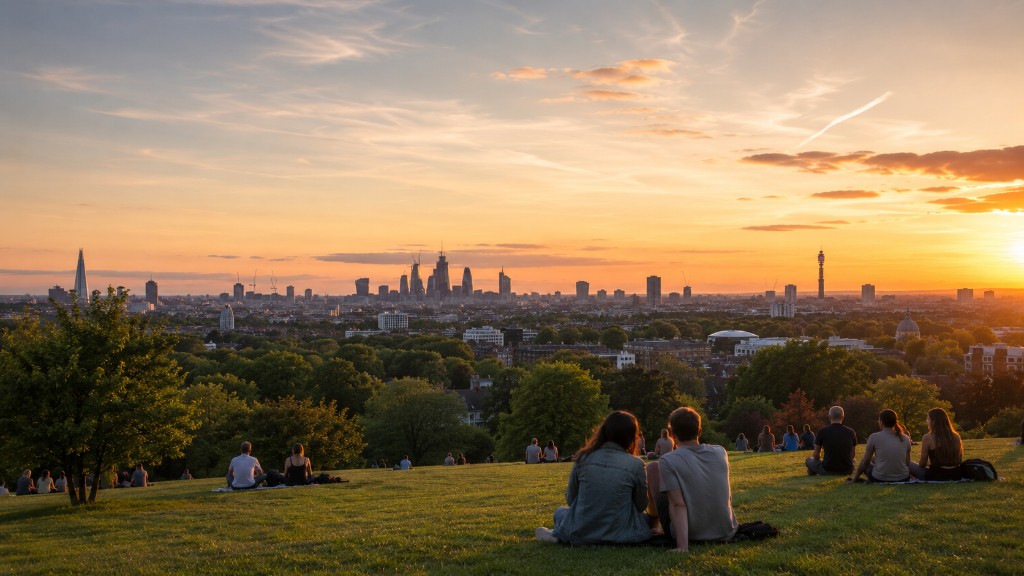
One of the most beloved skyline views among locals. It is broad, open, and especially good at sunset when the city turns into layers of light. Bring a light jacket; it gets breezy.
Practical details: Area: Hampstead Heath / nearest Overground Gospel Oak · Cost: free · Booking: not needed · Best for: sunset views, couples, slow travel. Opening times vary with park access and daylight conditions.
Garden at 120 (City)
A free rooftop garden with strong skyline perspectives and often shorter waits than better-known alternatives. Excellent as part of a City + hidden-history half day.
Practical details: Area: City of London / nearest Tube Monument · Cost: free · Booking: not needed (entry controls may apply) · Best for: photographers, skyline lovers, first-time visitors. Check current opening times before visiting.
Primrose Hill (northwest)
Simple, iconic, and still effective. If your itinerary includes Camden, this is an easy extension that gives you a visual reset before evening plans.
Practical details: Area: Primrose Hill / nearest Tube Chalk Farm · Cost: free · Booking: not needed · Best for: photographers, couples, relaxed walkers. Opening times vary by park access and seasonal daylight.
Smart sequencing: hidden viewpoints work best as day closers. Use them to transition from active exploration to dinner or nightlife zones, not as isolated cross-city detours.
Pro tip: check cloud cover and sunset timing the same day, then choose one viewpoint instead of trying to squeeze in two.
Pair These Hidden Gems With Nearby Experiences
Some hidden gems work best when paired with one nearby anchor activity. St Dunstan in the East pairs well with the Tower area, Little Compton Street pairs well with Covent Garden or the West End, and South Bank hidden spots pair well with river walks or evening shows.
Near Tower / City: pair Postman’s Park or St Dunstan in the East with Tower Bridge, Tower of London, or a riverside walk.
Near Covent Garden / Soho: pair Little Compton Street and nearby hidden corners with a West End show, a food stop, or an evening bar.
Near Kensington / Holland Park: pair Kyoto Garden or Leighton House with Kensington museums, Notting Hill lanes, or a relaxed lunch.
Near South Bank / Waterloo: pair Gordon’s Wine Bar or nearby riverside hidden spots with London Eye views, river experiences, or evening theatre.
Pro tip: choose one anchor + one hidden gem per half day. This keeps the route realistic and leaves room for spontaneous finds.
London Hidden Gems vs. Classic First-Time Route
| Dimension | Classic first-time route | Hidden-gems route |
|---|---|---|
| Crowd level | Usually high around major landmarks | Often moderate to low, depending on timing |
| Planning effort | Simple to copy from generic guides | Needs light curation but gives better payoff |
| Photo style | Iconic and recognizable | More distinctive and personal |
| Local-feeling factor | Lower | Higher |
| Best for | First-ever London highlights | Travelers seeking depth and character |
Save-for-later: by traveler type
- Solo travelers: pair a hidden museum + evening bar + one viewpoint.
- Couples: choose one secret garden + one atmospheric night spot.
- Friends: do neighborhood walk flows with flexible food stops.
- Families: prioritize calm green spaces and low-queue viewpoints.
Route linking ideas
- Need a structured baseline first? Use the 3-day itinerary hub, then layer hidden gems.
- Build one shortlist for classic things-to-do and one shortlist for hidden spots.
- Use neighborhood context from the London guide before finalizing daily jumps.
Build Your Hidden-Gems London Plan in Minutes
This guide gives you the editorial layer: where London feels local, cinematic, and less obvious. T-Bud turns those ideas into a practical, day-by-day route that matches your travel pace, weather window, and interests.
Want to compare with a more classic flow first? Keep this page open alongside our 3 Days in London guide, then generate your custom plan.